


Indigenous Focus Day 2026
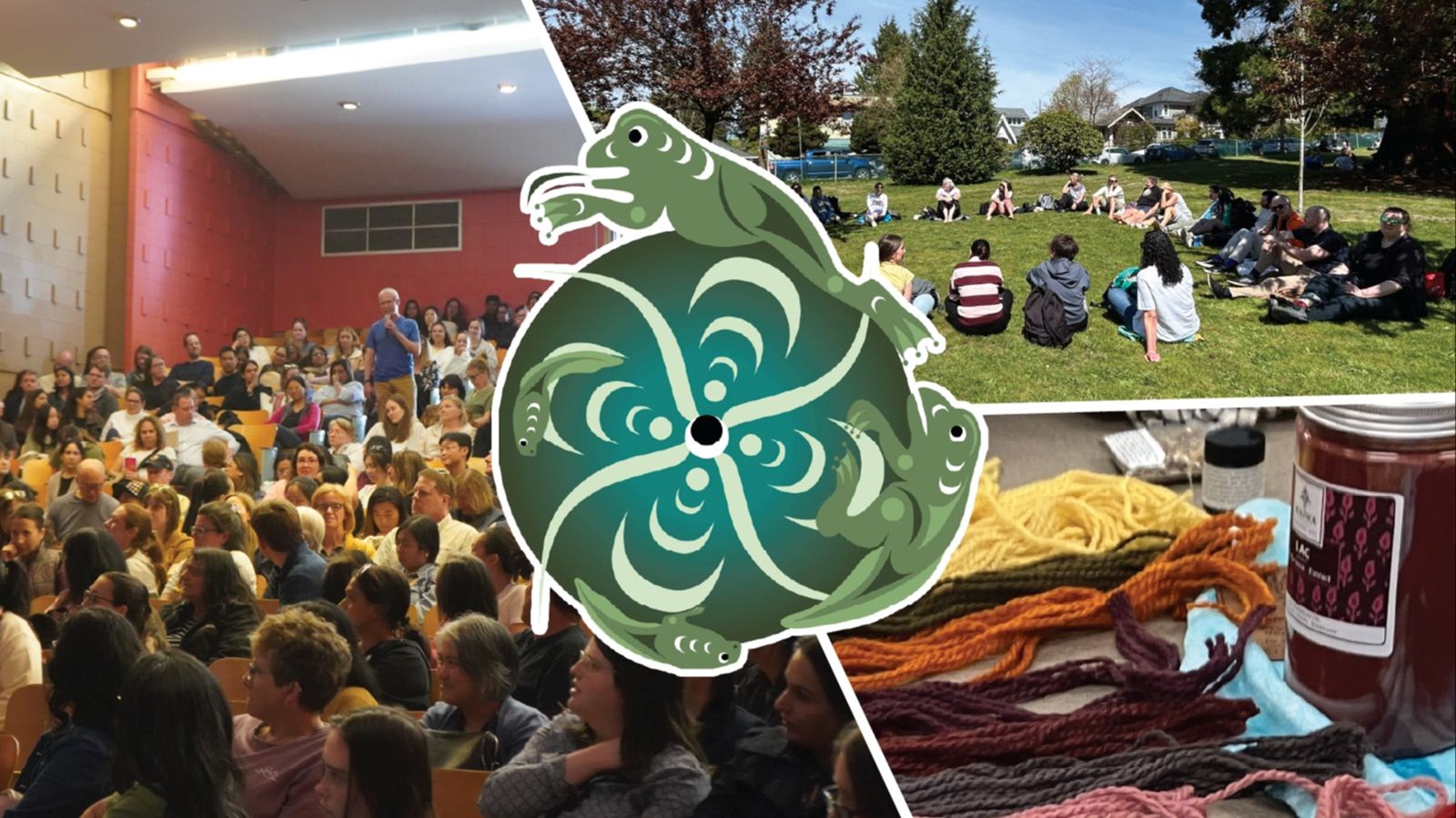
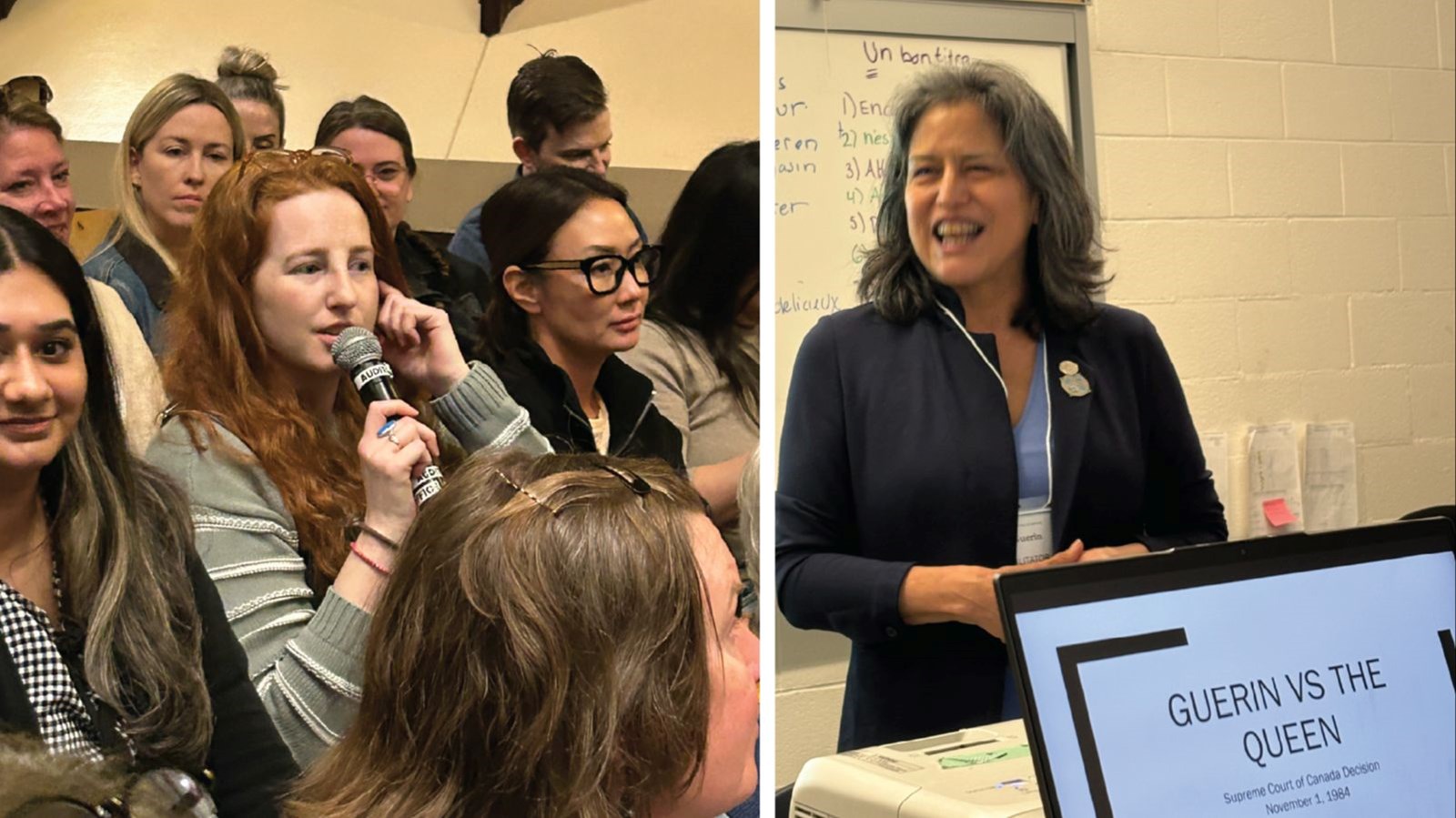
More than 5,100 educators from across the Vancouver School District took part in the fifth annual Indigenous Focus Day on April 20, 2026. The district-wide in-service day is dedicated to deepening staff understanding of Indigenous perspectives, histories and ways of knowing, in support of ongoing commitments to reconciliation and bringing their learnings back into the classroom. Educators gathered at one of nine secondary school sites across the district, where each site featured its own keynote speaker and workshops.
This year’s theme, emergence, was symbolized by the life cycle of a frog, from egg to tadpole to mature frog. Illustrated by Amber Cornick from the Musqueam Nation, the image shows each stage reflected a different point in participants’ learning journeys, reaffirming that understanding Indigenous knowledge, history and ways of being is ongoing and continues to deepen over time.
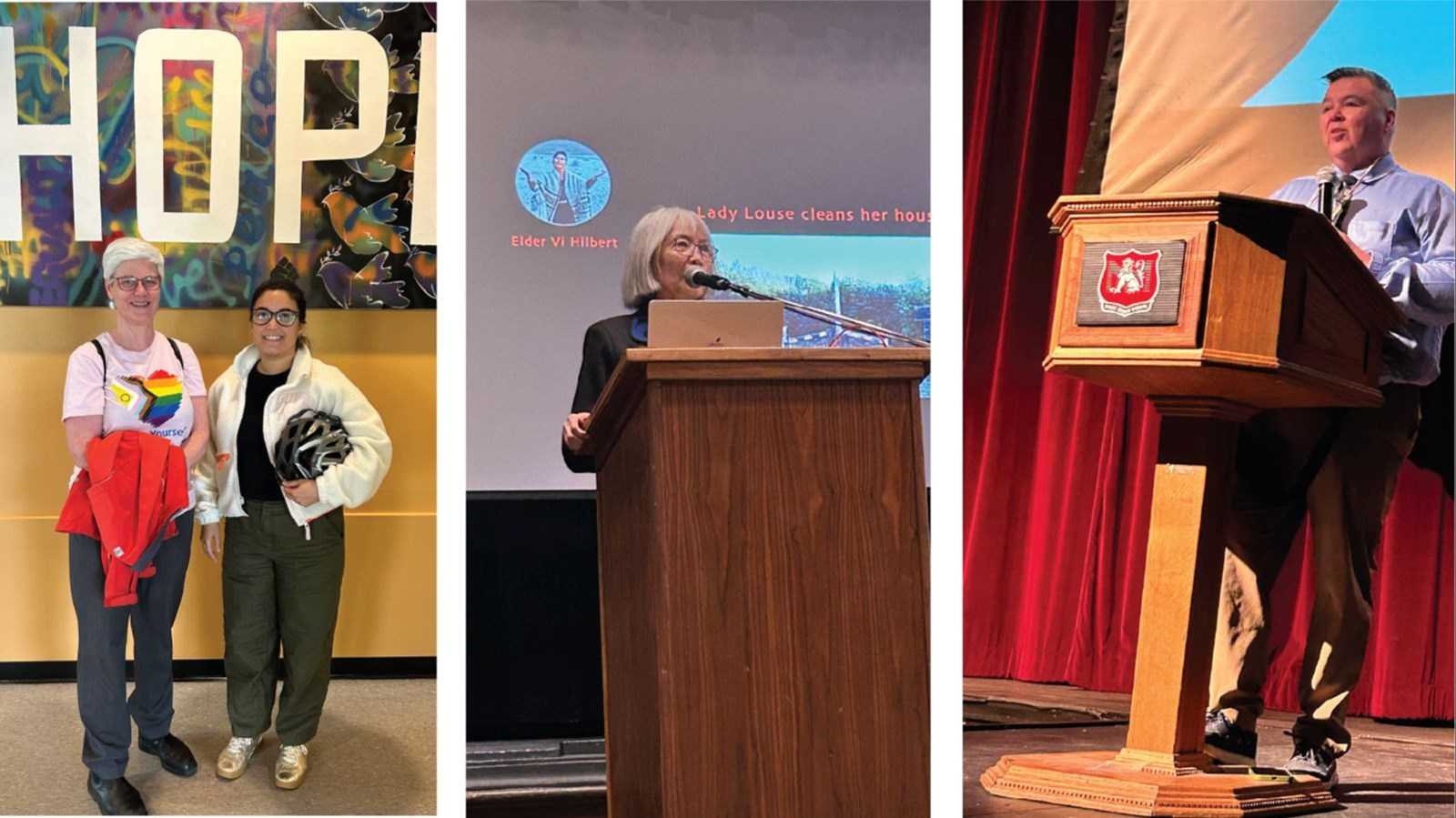
The reflections below highlight a few of the keynote voices that shaped learning throughout the day.
At Lord Byng Secondary, Carolyn Roberts reinforced the idea of circular learning by sharing her personal journey. Once a child singled out in school for her reading ability, Roberts is now a respected author, storyteller, educator and speaker. Her keynote reflected on how learning, identity and understanding can evolve over a lifetime, and how personal experiences can shape the way people teach, write and lead. She also spoke about her children’s book, Tess’s Red Dress, which helps introduce young readers to the topic of Missing and Murdered Indigenous Women, Girls and Two-Spirit People in an age-appropriate way. Her message underscored the importance of helping students engage with difficult truths through story, while recognizing that learning is continuous and carried forward across generations.
At Point Grey Secondary, Dr. Jo-Ann Archibald (Q’um Q’um Xiiem), a respected Stó:lō educator and scholar, spoke about Indigenous Storywork and the role of story in teaching and learning. Grounded in the First Peoples Principles of Learning, her approach emphasizes that learning is holistic, experiential and rooted in memory, story and place. Archibald invited educators to rethink how stories are used in the classroom. Rather than treating stories as content to analyze, she encouraged educators to approach them as living teachings that require respect, reflection and responsibility. She also highlighted how Indigenous knowledge systems can support learning across subject areas, including numeracy and STEAM, drawing connections between patterns, relationships and the natural world.
At Killarney Secondary, Mary Point, a member of the Musqueam Indian Band and director of Indigenous relations at Vancouver International Airport, grounded her keynote in personal story and lived experience. She shared reflections on her ancestors, the impacts of colonization and the ways intergenerational trauma continues to affect families and communities today. Point spoke about her own journey of reconnecting with relatives and reclaiming stories that had been lost or silenced. She described this work as an important part of healing and learning, not only for herself but for future generations. Her message emphasized that reconciliation is not about large, one-time actions, but about consistent, meaningful steps forward. She encouraged educators to consider what small actions they can take in their own practice, reminding them that this work is collective and ongoing.
Participants attending sessions at Magee Secondary School gathered for the afternoon keynote by Dr. John Chenoweth, President and CEO of the Nicola Valley Institute of Technology, a trustee with School District No. 58 (Nicola‑Similkameen) and a member of the Upper Nicola Indian Band (Okanagan Nation). Dr. Chenoweth spoke from multiple perspectives — as an educator and academic, and as a father, brother, son and uncle. A central question woven throughout his address was “Who are your relations?” He shared this as an important protocol within his own tradition and used it as a concrete example to illustrate the importance and impact of expanding protocol within a policy‑focused education system. Framed as a pedagogical grounding, this example invited educators to consider how identity and learning are shaped by relationships – to family, community, the lands and those who came before. Drawing on his career in K–12 and post‑secondary education, Dr. Chenoweth shared reflections grounded in story and community, and called on educators, collectively and individually, to create learning spaces where students feel safe to risk mistakes, build confidence and become fearless learners.
At Vancouver Technical Secondary, Ian Campbell, chief of the Squamish Nation and MBA graduate in Aboriginal Business Leadership, shared his journey as keynote speaker. He reflected on his early work as a VSB Indigenous support worker and his current role providing business and land stewardship leadership through the Musqueam, Squamish and Tsleil-Waututh partnership. Drawing on his experience across education, governance and community development, Campbell spoke about the importance of long-term thinking and investing in future generations. Through his storytelling, Campbell invited educators to reflect on transformation at multiple levels, from the growth of an individual to the evolution of communities and systems.
Together, these keynote speakers offered powerful perspectives rooted in story, lived experience and community. Indigenous Focus Day continues to create space for educators to listen, reflect and deepen teaching practices.